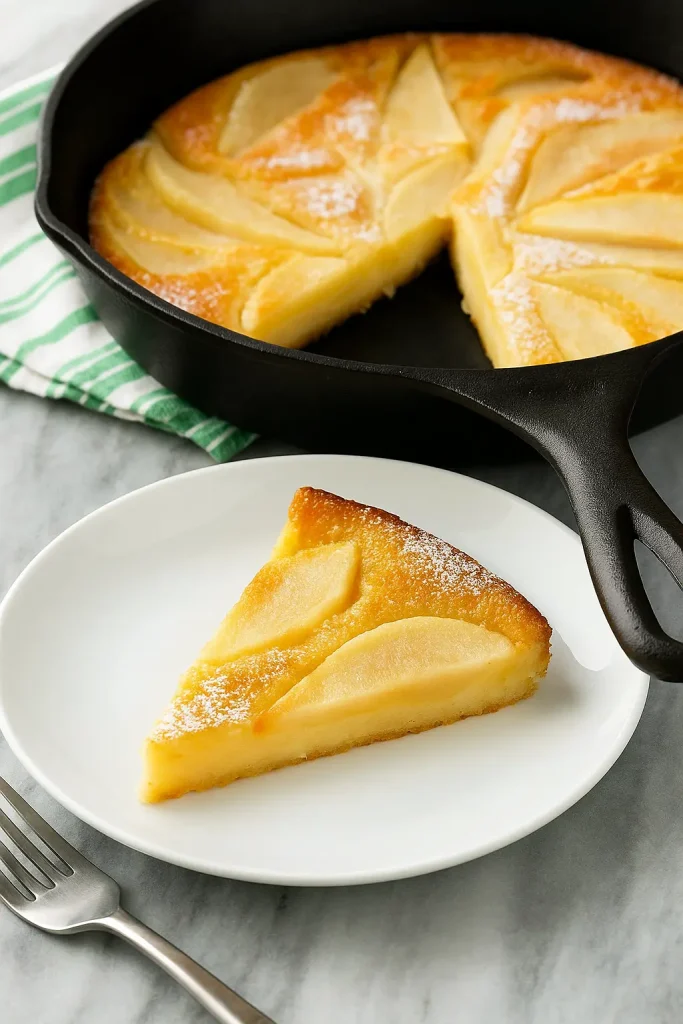

Pie
What You Will Find in Our Pie Collection
Homemade Pie Recipes for Every Occasion
I love baking pies because they bring comfort and joy to the table. In this collection, you will find easy recipes for busy days and impressive desserts for gatherings. Every recipe is explained in clear steps, and I share tips that make it simple for beginners to follow with confidence.
Popular Types of Pie Recipes
Fruit Pies (apple, blueberry, raspberry, cherry, peach)
Fruit pies are all about fresh fruit. Apple pies are filled with soft spiced apples. Blueberry and raspberry pies are juicy and sweet. Cherry pies taste both tart and sweet at the same time. Peach pies are full of the soft, fragrant fruit that reminds you of summer.
Cream and Custard Pies (banana cream, coconut cream, chocolate, key lime)
Cream and custard pies have a baked crust with a smooth, creamy filling. Banana cream and coconut cream pies are layered with custard, fruit, and whipped cream. Chocolate cream pies are rich and silky, often made with a crumb crust. Key lime pies are tangy and refreshing, made with lime juice, zest, and sweet condensed milk.
Nut and Specialty Pies (pecan, pumpkin, buttermilk, chess pie)
Nut and specialty pies are rich and comforting. Pecan pies are sweet and gooey with crunchy nuts on top. Pumpkin pies are creamy and spiced, perfect for holidays. Buttermilk pies are smooth with a little tang, and chess pies are sweet and buttery with a simple custard-like filling.
Savory Pies (chicken pot pie, shepherd’s pie, meat pies, quiches)
Savory pies are hearty and filling. Chicken pot pies have tender chicken and vegetables in creamy sauce with a golden crust. Shepherd’s pies are topped with mashed potatoes instead of pastry. Meat pies are classic and packed with flavor, while quiches are lighter, made with eggs, cheese, and vegetables.
Baking Tips for Perfect Pies
Choosing the Right Pie Crust (butter crust vs. graham cracker vs. puff pastry)
The crust is the base of every pie, and the type you choose makes a big difference. A butter crust is flaky and rich, which makes it perfect for fruit or nut pies. Graham cracker or cookie crusts are sweet and pair nicely with cream pies. Puff pastry is light and layered, and it works well for pot pies or tarts. If you use puff pastry for the bottom, many bakers line the pan, poke it with a fork, and blind bake it for about 25 minutes before adding the filling.
How to Prevent Soggy Bottoms
Nobody likes a soggy crust. To avoid it, keep your dough cold and don’t let the pie sit too long before baking. Glass or ceramic pie plates help the crust brown evenly. Blind baking creates a strong base, and sprinkling a little flour and sugar on the bottom before filling adds a barrier. Be careful not to overfill the pie, since extra liquid can soak through. Starting with a hot oven and lowering the temperature later also helps set the crust.
Easy Techniques for Flaky Pie Dough
The secret to flaky pie dough is gentle handling. Cut cold butter into the flour until you see small, pea-sized pieces. Add ice water just until the dough comes together. Let it rest in the fridge for about thirty minutes to relax the gluten. Chill the pie again after filling it, right before baking. Once baked, let the pie cool completely so the filling firms up.
FAQs
What makes a pie crust flaky?
A flaky crust comes from keeping the butter cold and handling the dough gently. When the cold butter melts in the oven, it creates little steam pockets that give the crust its light, layered texture.
Can I make pie dough in advance?
Yes, you can. Pie dough keeps well in the fridge for up to three days if it is wrapped tightly. You can also freeze it for up to three months. Just let it thaw in the fridge before rolling it out.
What’s the difference between a pie and a tart?
A pie usually has a flaky pastry crust and can be topped with a full crust or a lattice. A tart often has a firmer crust, like a shortbread style, and is usually open-faced with the filling showing on top.
How long do homemade pies last?
Fruit pies keep for about two days at room temperature and up to five days in the fridge. Cream and custard pies should always be stored in the fridge and eaten within three to four days.