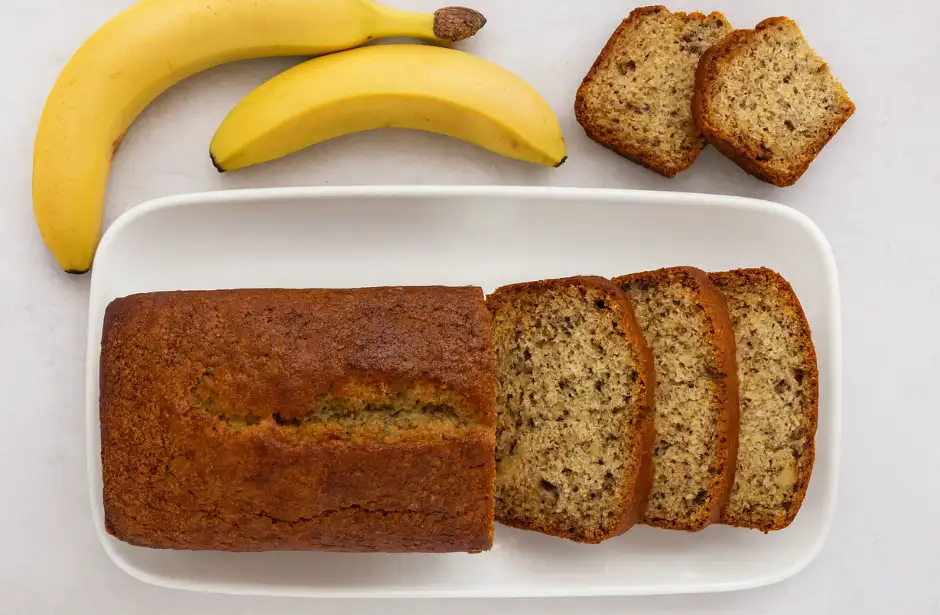
Jason Biggs is mostly known for his role in American Pie, but he also enjoys baking at home. When he co-hosted Netflix’s Blue Ribbon Baking Championship, he talked about his banana bread with real pride. Even Sandra Lee joked that his banana bread could surprise people with how good it tastes. That made me want to try a version of it in my own kitchen.
Banana bread is simple, comforting, and perfect for using ripe bananas. The key is getting the right sweetness and keeping the loaf soft and moist. In this Jason Biggs banana bread recipe, I share an easy version inspired by Jason Biggs. It is straightforward, friendly, and great for anyone who wants a homemade banana bread that tastes amazing without any fuss. Let’s bake a warm loaf that fills the kitchen with the best smell.
Key Takeaways
- Use very ripe bananas: Choose bananas that are soft and covered in brown spots. The riper they are, the sweeter and more flavorful the bread becomes. They also add natural moisture that keeps every slice soft.
- Mix the batter gently: Stir only until the wet and dry ingredients come together. Overmixing makes the loaf dense, so a light stir gives you a softer, more tender texture.
- Keep a balanced banana-to-flour ratio: Aim for roughly 1 cup of mashed banana for every 1 cup of flour. This ratio helps the bread stay moist without turning heavy or gummy.
- Check doneness the right way: Instead of guessing, test the center with a toothpick. It should come out clean or with a few crumbs. A thermometer should read close to 200°F in the middle.
- Store for freshness: Keep the bread in an airtight container at room temperature for up to 4 days. For longer storage, freeze it in slices or as a whole loaf. Avoid the fridge because it dries the bread out.
What Is Jason Biggs Banana Bread Recipe?
Jason Biggs is well known for talking about his banana bread, and people who have tried it say it is very moist and full of flavor. He has never shared a complete official recipe, but his banana bread has become a little bit famous among friends, family, and fans who heard him mention it. Because of this, many home bakers have created versions inspired by the texture and taste he describes.
This Jason Biggs banana bread recipe is a simple tribute to that idea. It uses classic ingredients such as mashed ripe bananas, flour, sugar, butter, and eggs. A small amount of buttermilk adds a gentle tang and extra moisture, which helps create a tender crumb and a soft, rich bite. The loaf bakes into a sweet and comforting banana bread that feels homemade and warm. You can enjoy it plain or mix in chocolate chips or nuts.
Why This Banana Bread Is Loved
People enjoy this banana bread because the banana flavor stands out in every bite. Very ripe bananas provide natural sweetness and keep the loaf soft. The bread has a pleasant balance of sweetness and a little vanilla, creating a warm and homestyle taste.
It is also loved because it turns out well with very little effort. The texture stays moist and tender, and the loaf browns beautifully as it bakes. It does not require any special tools or advanced baking skills, so it is a reliable recipe for both new and experienced bakers.
What Makes Jason Biggs Banana Bread So Moist
The main reason this banana bread stays moist is the use of very ripe bananas. They are naturally soft and sweet, and they add a lot of moisture to the batter. This helps create a tender crumb that does not dry out.
A little buttermilk adds even more moisture and reacts with the baking soda to help the loaf rise evenly. Butter adds richness and keeps the bread soft. Gentle mixing also plays a role, because overmixing can make the bread dense.
Variations of Jason Biggs Banana Bread
One of the best things about this Jason Biggs banana bread recipe is how easy it is to customize. You can bake the classic version or add ingredients that match your taste.
Classic Jason Biggs Banana Bread Version
The classic version uses only the basic ingredients, which keeps the banana flavor front and center. It gives you a soft and tender loaf with a warm homemade taste. If you want a traditional banana bread, bake it exactly as written.
Some people like to add a small pinch of cinnamon or nutmeg for a gentle hint of spice, but that part is optional. You can also replace the buttermilk with the same amount of plain yogurt or sour cream if that is what you have at home. The classic version is simple, dependable, and always comforting.
Chocolate Chip Banana Bread Option
I often make this version when I want something a little sweeter. In this version we use the same basic batter and gently fold in about one half cup to three fourths cup of chocolate chips. I prefer semi sweet chips because they add small bursts of chocolate without making the whole loaf overly sweet. Right before baking, I like to sprinkle a few extra chips on top so the bread bakes with a soft chocolate layer on the surface.
Nutty Banana Bread Version with Walnuts or Pecans
The nutty variation brings a nice crunch and a warm toasted flavor. In this version, we add about one half cup of chopped walnuts or pecans to the batter. Lightly toasted nuts create a deeper aroma and a richer taste. If you prefer a stronger nut flavor, you can increase the amount to one cup. This version feels hearty and satisfying, with a pleasant contrast between the soft banana crumb and the crisp nut pieces.
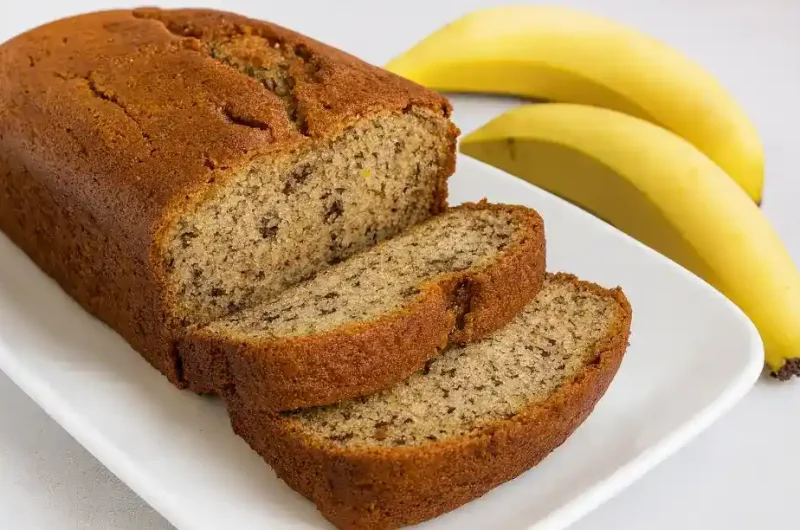
Jason Biggs Banana Bread Recipe
Course: DessertCuisine: AmericanDifficulty: Easy10
servings15
minutes55
minutes185
kcalTry this moist and flavorful Jason Biggs banana bread recipe made with ripe bananas, balanced sweetness, and a tender crumb that tastes homemade and comforting.
Ingredients for Jason Biggs Banana Bread Recipe
3 large overripe bananas, mashed
1 1/2 cups granulated sugar
1/2 cup unsalted butter, softened
2 large eggs, at room temperature
5 tablespoons buttermilk or sour milk
1 teaspoon baking soda, mixed into the buttermilk
2 cups all purpose flour
1/4 teaspoon salt
1 teaspoon vanilla extract
1/2 to 1 cup chopped walnuts or pecans, optional
1/2 cup chocolate chips, optional
How to Make This Banana Bread Step by Step
- Prepare the Oven and Pan: Preheat the oven to 350°F (175°C). Grease a 9×5 inch loaf pan with butter or non-stick spray and dust it lightly with flour. You can also line the pan with parchment paper to make it easier to lift the loaf out later. Let the butter and eggs sit at room temperature so they mix smoothly. This helps the ingredients blend together without lumps. Set the pan aside while you prepare the batter.
- Mash the Bananas: Peel the 3 overripe bananas and place them in a large mixing bowl. Mash them with a fork or a potato masher until they reach a mostly smooth consistency. It is fine if a few small banana chunks remain because they add flavor and moisture pockets in the finished bread. You should get about 1 cup of mashed bananas from 3 large bananas. Make sure the bananas are very ripe because they mix easier and taste sweeter.
- Cream the Butter and Sugar: In a separate bowl, combine the softened butter and granulated sugar. Use an electric hand mixer or a sturdy whisk to beat the butter and sugar for about 2 minutes until the mixture becomes light, pale, and fluffy. This step helps incorporate air and dissolve the sugar slightly, which improves the bread’s texture. Add the eggs one at a time, mixing well after each addition to make sure they blend evenly with the butter. Once both eggs are mixed in, stir in the mashed bananas and vanilla extract. The mixture might look a little lumpy because of the bananas, but that is completely normal.
- Prepare the Baking Soda and Buttermilk: If you are using buttermilk or sour milk, pour it into a small bowl and sprinkle the baking soda on top. Stir until the baking soda dissolves. This allows the baking soda to react with the acidity in the buttermilk, which helps the banana bread rise properly in the oven. Set this bowl aside for a moment while you prepare the dry ingredients.
- Combine the Dry Ingredients: In a third bowl, whisk or sift the flour and salt to remove any lumps and to aerate the mixture. Sifting or whisking gives the bread a lighter texture. Make sure the flour and salt are fully mixed so the salt distributes evenly in the batter. When the dry mixture is smooth, it is ready to be added to the wet mixture.
- Bring the Batter Together: Add the dry flour mixture to the wet bowl in two additions. Pour in half the flour mixture, stir gently, then add the dissolved baking soda and buttermilk mixture along with the remaining flour. Use a spatula or wooden spoon to fold the batter gently. Stir just until the flour disappears. Do not overmix, because overmixing at this stage can make the banana bread dense and tough. The batter should look slightly lumpy from the mashed bananas and not completely smooth.
- Add Nuts or Chocolate Chips: If you want to include walnuts, pecans, or chocolate chips, sprinkle them over the batter now. Fold them in gently with a spatula. Make sure the nuts or chips spread evenly throughout the batter without clumping in one spot. Only mix a few times because extra stirring can toughen the crumb. Once everything looks evenly distributed, the batter is ready for the pan.
- Transfer the Batter to the Pan: Pour the finished batter into the prepared loaf pan. Use a spatula to scrape every bit from the bowl so the loaf rises evenly. Smooth the top with the back of a spoon or spatula. You can tap the pan gently on the counter to help the batter settle and release small air bubbles.
- Bake the Banana Bread: Place the loaf pan in the preheated oven on the middle rack. Bake the bread for 50 to 60 minutes. Ovens vary, so begin checking around the 50 minute mark. You will notice the loaf turning a deep golden brown and rising nicely. To test for doneness, insert a toothpick into the center of the bread. If it comes out clean or with only a few crumbs, the bread is done. If the top browns too quickly while the middle is still undercooked, loosely tent a piece of foil over the top to prevent burning. Continue baking until the center is fully set.
- Cool the Banana Bread: Remove the loaf from the oven and let it cool in the pan for about 10 minutes. This allows the bread to firm up and makes it easier to remove. Run a knife along the edges to loosen the loaf, then lift it out of the pan or gently turn it onto a wire rack. Let the banana bread cool completely before slicing. Slicing too soon can cause the interior to crumble or appear gummy because the steam has not settled yet. Once fully cooled, the loaf will slice cleanly and have the perfect texture.
Nutrition Facts
10 servings per container
- Amount Per ServingCalories185
- % Daily Value *
- Total Fat 7g 9%
- Saturated Fat 2g 10%
- Trans Fat 0g
- Cholesterol 30mg 10%
- Sodium 160mg 7%
- Total Carbohydrate 30g 11%
- Dietary Fiber 1g 4%
- Total Sugars 17g
- Protein 3g 6%
- Potassium 80mg 2%
* The % Daily Value tells you how much a nutrient in a serving of food contributes to a daily diet. 2,000 calories a day is used for general nutrition advice.
More Recipes You’ll Love
Also check out the delicious recipe of Alton Brown Orange Marmalade.
Equipment Needed for Banana Bread
- Loaf Pan: Use a 9×5 inch loaf pan to bake the banana bread. This size helps the loaf bake evenly and keeps the center from undercooking.
- Mixing Bowls: Keep at least two bowls on hand. One is for the wet ingredients and one is for the dry ingredients. A third bowl can be helpful for mashing the bananas.
- Measuring Cups and Spoons: Measure every ingredient accurately so the batter has the right balance of flour, sugar, and liquids.
- Fork or Potato Masher: Mash the ripe bananas with a fork or a masher. Both tools work well as long as the bananas are soft.
- Whisk or Electric Hand Mixer: Mix the butter, sugar, and eggs with a whisk or a hand mixer. A mixer makes the job faster, but a whisk works fine too.
- Spatula or Wooden Spoon: Fold the batter gently and scrape the sides of the bowl with a spatula or wooden spoon. This helps you transfer all of the batter into the loaf pan.
- Knife and Cutting Board: Chop walnuts or pecans if you plan to add nuts to the banana bread.
- Wire Cooling Rack: Let the baked loaf cool on a wire rack so the air can circulate and the bread cools evenly.
Chef Tips for the Best Jason Biggs Banana Bread
Choosing the Right Bananas
Use bananas that are very ripe with plenty of brown spots. These bananas are sweeter, softer, and add natural moisture that helps the loaf stay tender. If your bananas are not ready, place them in a paper bag for a day or two to ripen faster. You can freeze ripe bananas as well. Peel them, place them in a bag, freeze them, and thaw when you are ready to bake. Thawed bananas look mushy, but that makes them perfect for banana bread.
Mixing without Overworking the Batter
Stir gently once the flour goes into the bowl. You want the batter to look mixed, but still a little lumpy. Overmixing can make the loaf tough because it develops too much gluten. Fold any nuts or chocolate chips in at the very end with only a few turns of your spatula. This keeps the crumb soft and helps the loaf rise nicely in the oven.
Getting the Perfect Soft Texture
Aim for a balanced ratio of mashed bananas and flour. This recipe uses about one cup of mashed banana for every cup of flour, which gives you a moist loaf that still holds its shape. Measure flour correctly by spooning it into your cup and leveling the top. Butter and sugar also help make the crumb tender. If you want a slightly richer flavor, replace a few tablespoons of white sugar with brown sugar, which keeps the bread extra soft.
Checking the Bread for Doneness
Use the toothpick test to avoid overbaking. Insert a toothpick into the center of the loaf. If it comes out clean or with just a few dry crumbs, the loaf is ready. If it has wet batter, bake for a few more minutes and check again. An instant-read thermometer also works well. The center should reach about 200°F (93°C). Keep in mind that different pans bake differently. Metal pans usually bake faster, while glass or ceramic pans may need a little extra time.
Serving Suggestions for Banana Bread
Banana bread is very flexible when it comes to serving. You can enjoy it plain, or you can pair it with other foods to make it even more delicious.
- Simple and warm: A warm slice of banana bread is one of the easiest and nicest ways to enjoy it. You can heat a slice for a few seconds in the microwave or toaster oven, then spread a little butter on top. The butter melts into the bread and makes it extra comforting. This is a wonderful breakfast or mid morning snack, especially with a cup of tea or coffee.
- Dessert style: Banana bread also works beautifully as a dessert. You can drizzle honey or maple syrup over a slice to add more sweetness. Cream cheese is another great option. The slight tang of cream cheese balances the sweetness of the bread, and it tastes even better if you whip the cream cheese with a little sugar and vanilla. If you want something richer, you can serve a slice with vanilla ice cream or a spoonful of whipped cream.
- As a snack: Banana bread makes a great quick snack. You can toast a slice lightly and spread peanut butter or almond butter on it. The nutty flavor goes very well with banana, similar to a peanut butter and banana sandwich. Children often enjoy banana bread with chocolate hazelnut spread because it gives a fun chocolate banana flavor.
- Banana bread French toast: Banana bread French toast is a creative and delicious option, especially for brunch. Take thick slices of day old banana bread and dip them into a mixture of beaten egg, milk, and a little cinnamon. Fry the slices in a buttered pan until both sides turn golden brown. The inside becomes soft and custard like, while the outside gets lightly caramelized. Serve it with fresh berries and syrup for a special treat.
How to Store and Reheat Jason Biggs Banana Bread
If you have leftover banana bread, you can keep it fresh and soft with a few simple storage methods. Here is how to store it correctly and how to warm it up later without losing that moist texture.
Best Way to Store Banana Bread
Once the loaf cools completely, wrap it in plastic wrap or aluminum foil, or place it in an airtight container. When sealed well, banana bread stays fresh at room temperature for about 3 to 4 days. Many people even feel it tastes better the next day because the flavors settle and develop.
Try not to refrigerate banana bread. The cold air inside the refrigerator dries baked goods quickly, and the bread can become firm and crumbly. Room temperature storage is the best choice when you plan to finish the bread within a few days.
For longer storage, freezing works very well. Banana bread freezes beautifully and keeps its quality for 2 to 3 months. You can freeze the whole loaf or slice it first. Slicing is convenient because you can take out one slice at a time without thawing the entire loaf. Wrap the bread tightly in plastic wrap, place it in a freezer bag, and squeeze out as much air as possible. Adding a date label helps you remember when you froze it.
How to Reheat Without Drying It Out
You can reheat banana bread in several easy ways. The goal is to warm it gently so the crumb stays soft and moist.
- Microwave method: The microwave is the quickest option. Place a slice on a microwave-safe plate and heat it for about 10 to 15 seconds if the bread is at room temperature. If it is frozen, warm it for about 20 to 30 seconds. Short bursts work best so the bread does not become rubbery. This method brings back the soft texture and makes the bread taste freshly baked. You can place a damp paper towel loosely over the slice to add a bit of steam, although it is usually not necessary.
- Toaster oven or oven method: If you want a slightly toasted edge, use a toaster oven or your regular oven. In a toaster oven, warm the slice on a low setting for a few minutes. In a conventional oven, wrap the slice in foil to keep it from drying out and heat it at 350°F (175°C) for about 5 to 10 minutes. If the bread is frozen, add a few more minutes. This method gently warms the bread and can give it a nice lightly crisp surface without losing moisture.
- Room temperature thawing: If you froze the banana bread and want a simple option, let it thaw at room temperature. A single slice usually softens in 20 to 30 minutes. A whole loaf can take a few hours to thaw while still wrapped. After thawing, the bread will be soft and ready to eat, or you can warm individual slices slightly if you prefer them heated.
Troubleshooting Common Banana Bread Issues
Even with a reliable recipe, banana bread can still give you a few surprises. Here are common problems that people face and how to solve them.
Why Is My Banana Bread Dry?
Dry banana bread usually means something reduced the moisture in the batter. A few things can cause this.
- Too much flour: Adding too much flour is the most common reason for a dry loaf. Flour becomes packed if you scoop it directly from the bag with your measuring cup. Packed flour increases the amount you add, and it absorbs more liquid than intended. The best fix is to spoon the flour into the cup, level it, and avoid pressing it down. This simple change keeps the texture soft.
- Not enough banana or liquid: Bananas add sweetness and moisture. If your bananas were small or not very ripe, you may have ended up with less mashed banana than the recipe needs. Aim for about one cup of mashed banana in total, and make sure the bananas are very ripe. Do not skip the buttermilk either, since it adds moisture and helps keep the crumb soft.
- Overbaking: If the banana bread stays in the oven too long, it becomes dry. Ovens vary, so the loaf may finish earlier than expected. Start testing around the fifty minute mark. Remove the bread as soon as a toothpick comes out clean or with a few crumbs. Overbaking for even ten extra minutes can make a difference.
- Improper storage: Banana bread becomes dry if left uncovered. Always wrap it or store it in an airtight container. The refrigerator also dries baked goods quickly, so store the loaf at room temperature or freeze it if needed. If you do end up with a dry loaf, you can still enjoy it by spreading butter on a warm slice or turning it into banana bread French toast.
Why Did My Banana Bread Sink in the Middle?
A sunken center usually means the loaf did not have enough structure to hold itself up as it cooled. There are many reasons why it happens.
Underbaking: The most common cause is taking the bread out of the oven too early. If the center is not set, it collapses while cooling. Always test the loaf before removing it. If the toothpick comes out with wet batter, it needs more time. Make sure your oven reaches the correct temperature as well, since an inaccurate oven can lead to underbaking.
Too much moisture or leavening: If you added more banana than the recipe requires, or if your eggs were larger than expected, the batter might have been too wet. Too much baking soda can also cause a loaf to rise quickly and then fall. Stick to the ingredient amounts and measure carefully.
Too many mix-ins: Large amounts of nuts or chocolate chips can weigh down the center. Keep mix-ins to the suggested amount so the loaf can rise evenly.
Opening the oven door too early: Temperature changes can cause a loaf to fall. Try not to open the oven during the first thirty to forty minutes. Even if your loaf sinks slightly, the flavor will still be wonderful.
How to Fix Undercooked Banana Bread
Sometimes the middle of the loaf stays raw even though the top looks done. You can often fix this.
If you discover the uncooked center while the loaf is still warm, place it back in the oven. Cover the top with foil and bake at 350°F for about ten to fifteen more minutes. The foil protects the crust while the center finishes baking.
If the bread is already cool, you can still try the same method. The texture may be slightly different, but it is usually worth saving the loaf.
To prevent this problem, rely on testing instead of just the clock. A toothpick or thermometer gives the most accurate result. If your oven often underbakes the center, try lowering the temperature by twenty five degrees and baking a little longer. This helps the center cook more evenly, especially in glass or ceramic pans
FAQs
Can I Use Pecans Instead of Walnuts?
Yes, you can use pecans. They give a softer and slightly sweeter crunch. The texture and flavor stay very close to the original candy.
How Do I Fix Candy That Turned Too Hard?
Hard candy usually means you cooked caramel too long. Warm the mixture gently in a pot with a small splash of cream or milk. Stir until it softens, then pour it back into the pan to set again.
Can I Make Walnettos Without Corn Syrup?
Yes, you can. You can use golden syrup or pure maple syrup. The texture may be a little softer, but the candy will still set well and taste rich.
How Long Does Homemade Walnettos Candy Last?
Walnettos stay fresh for 1 to 2 weeks at room temperature when wrapped and stored in an airtight container.
Are Walnettos Gluten Free?
Yes, the ingredients in this recipe are naturally gluten free. Always check labels on packaged items like condensed milk or flavor extracts to be sure.
If you liked this recipe, try our

I’m a sweet chef who loves creating irresistible cakes, pastries, and sweet treats. When I’m not baking, you’ll find me experimenting with new flavors, enjoying a good cup of coffee, and sharing my passion for desserts with the world.