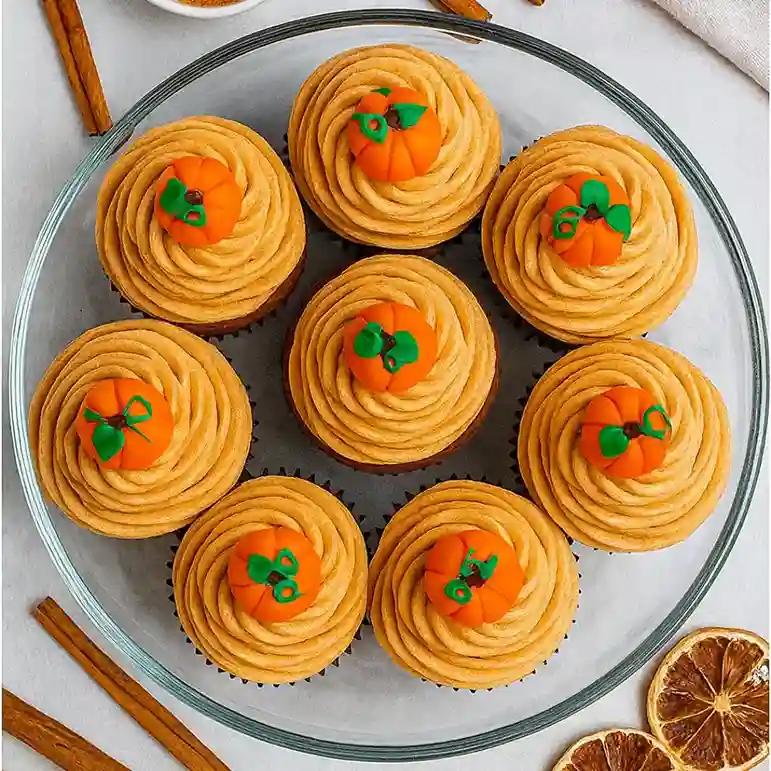

If you want your cakes to look smooth like fondant but still taste like real buttercream, then rolled buttercream is just what you need. It is soft, sweet, and easy to work with. You can roll it out like dough and cover cakes, cookies, or cupcakes with it. I love rolled buttercream cookies because of their delicious and enhanced flavor.
A lot of people like using rolled buttercream because it gives a nice clean finish without that chewy fondant taste. It looks great and actually tastes good too. That’s why it is becoming more popular for decorating.
The best part about this rolled buttercream recipe is that it is super easy. You do not need any special tools or skills. Just a few simple ingredients and you are good to go.
Whether you are new to baking or you’ve been doing it for years, this recipe for rolled buttercream is great for everyone. It’s fun to use, works for all kinds of designs, and helps your treats look amazing.
Key Takeaways
- Why this recipe is the best: This rolled buttercream recipe is simple, reliable, and beginner-friendly. It uses basic ingredients you probably already have at home. The texture turns out just right every time—smooth, soft, and easy to roll.
- Better texture and taste than fondant: Unlike fondant, which can be stiff and overly sweet, rolled buttercream stays soft and has a creamy, rich flavor. It’s much more pleasant to eat, especially for people who don’t like the chewy texture of fondant.
- Easy to store and work with: You can make this rolled buttercream ahead of time and store it in an airtight container. It stays soft and workable for days. If it gets too firm, just warm it slightly and knead it back to the right texture.
- Perfect for many occasions: This buttercream works great for covering cakes, decorating cookies, or even making simple cake toppers. It’s a popular choice for wedding cakes, birthday parties, baby showers, and holiday treats.
What is Rolled Buttercream?
Rolled buttercream is a soft and smooth kind of frosting that you can roll out like dough. It looks like fondant but tastes way better. It stays soft, has a creamy texture, and is much easier to eat. It is made from simple ingredients like shortening, corn syrup, powdered sugar, and vanilla.
Many bakers like rolled buttercream because it gives cakes and cookies a clean and neat look without that chewy or rubbery feel you get from fondant. You can shape it, cut it, or cover a cake with it, and it still tastes like real buttercream.
What is Rolled Buttercream NOT?
Rolled buttercream might look like fondant, but it is not the same thing. It is softer, easier to eat, and has a buttery flavor that people actually enjoy. Unlike fondant, which can taste bland or overly sweet, rolled buttercream tastes more like the frosting most people already love.
It is also not the same as regular buttercream that you spread on cakes. Regular buttercream is light and fluffy, and you use it with a spatula. Rolled buttercream is thicker and firmer, so you can roll it out flat and lay it over cakes like a smooth sheet.
Some people think it is stiff or tricky to use, but that is not true. It stays soft and flexible, so you can easily shape it, cut it, or place it on your desserts without any trouble. It stands out because it gives you that clean, polished look while still being easy to work with and tasty to eat.
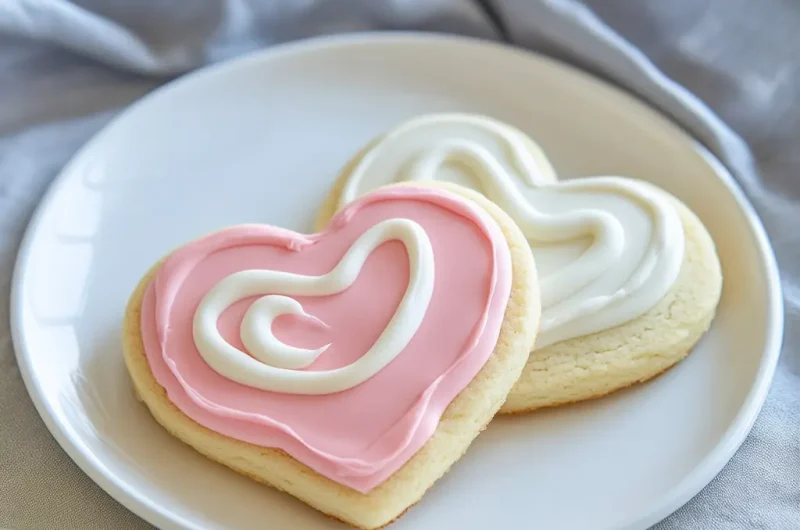
Rolled Buttercream Recipe
Course: DessertCuisine: AmericanDifficulty: Easy20 per cake
servings15
minutes30
minutes140
kcalRolled buttercream is a smooth and flexible frosting that you can roll out like dough to cover cakes and cookies. It gives a clean, polished look like fondant but tastes rich and creamy like real buttercream.
Ingredients for Rolled Buttercream Recipe
1 cup shortening
1 cup light corn syrup
1 teaspoon vanilla extract
½ teaspoon salt
6 to 7 cups powdered sugar (sifted)
Step by Step Instructions
- Mix the shortening and corn syrup: In a large mixing bowl, combine the shortening and light corn syrup. Stir or beat until the mixture becomes smooth and creamy. This is the base that gives the buttercream its soft and stretchy texture.
- Add vanilla and salt: Add the vanilla extract and salt to the bowl. Mix well so the flavor spreads evenly through the mixture.
- Gradually add powdered sugar: Start adding the sifted powdered sugar one cup at a time. Mix after each addition. As the mixture thickens, switch to kneading it by hand. You may not need all the sugar. Stop when the dough is smooth, firm, and no longer sticky.
- Knead until smooth: Dust your hands and a clean surface with a little powdered sugar. Knead the dough for a few minutes until it feels soft, smooth, and easy to shape. If it’s too sticky, sprinkle in a bit more powdered sugar. If it feels dry, add a few drops of water or corn syrup.
- Wrap and let it rest: Wrap the finished buttercream in plastic wrap and place it in an airtight container. Let it rest for at least 30 minutes at room temperature. This helps it settle and become even easier to roll out.
- Roll out and use as needed: Lightly dust your work surface with powdered sugar or cornstarch. Roll out the buttercream to about 1/8 inch thick. Now it’s ready to cover cakes, cookies, or cut into shapes. If it sticks to the rolling pin, dust lightly or use parchment paper on top.

Chef Recommendations
- Make Rolling Easy: To keep the buttercream from sticking, use a light dusting of cornstarch on your hands and rolling surface. Wearing food-safe gloves also helps reduce stickiness. For even rolling, use a non-stick rolling pin and place wooden dowels or rolling bands on each side to keep the thickness consistent.
- Add Color the Right Way: Use gel or paste food coloring in this recipe for rolled buttercream for best results. Add a small amount at a time and knead it in until the color is even. Avoid liquid food coloring, as it can change the texture and make the buttercream too soft.
- Store and Fix with Confidence: Wrap any leftover buttercream tightly in plastic wrap and store it in an airtight container at room temperature for up to a week. If it feels too dry when you reuse it, add a few drops of corn syrup and knead it again. If it’s too sticky, sprinkle in a little powdered sugar while kneading.
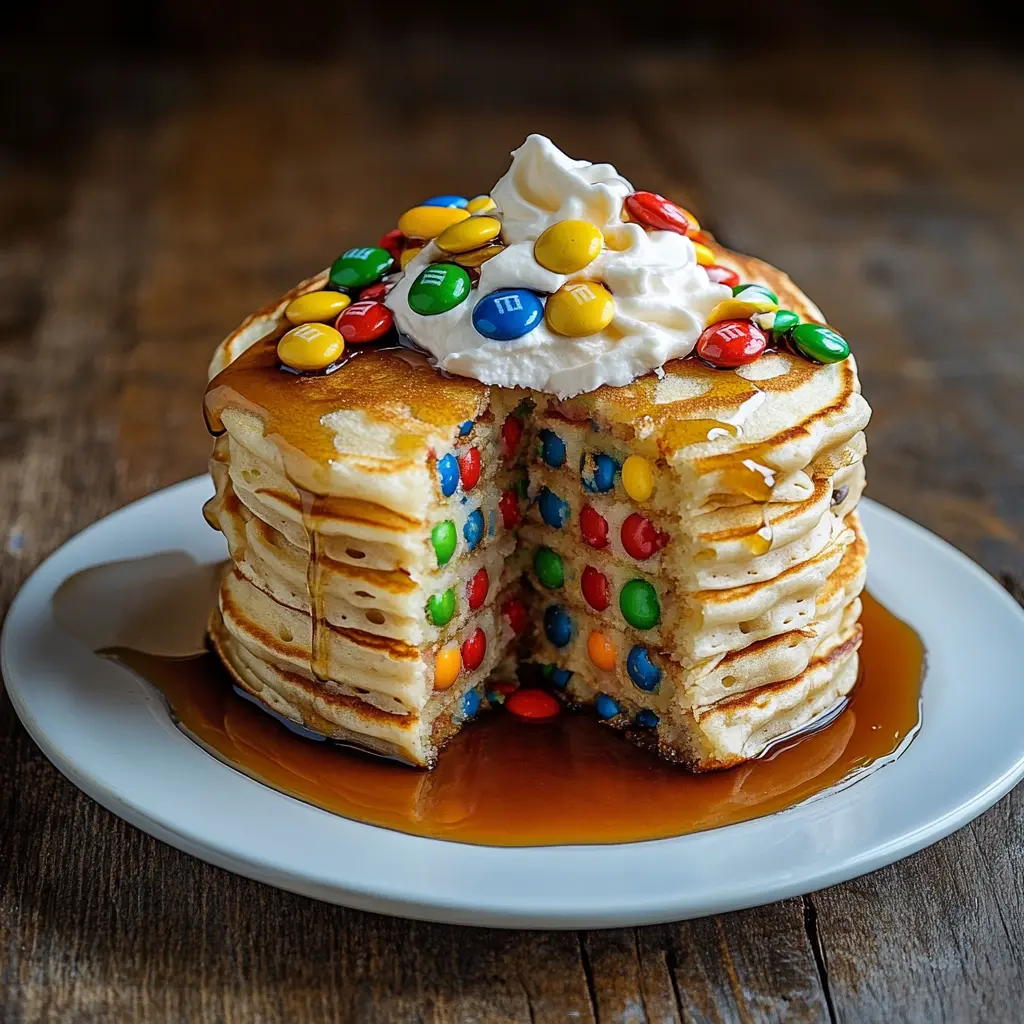
Also check out the delicious recipe of M & M Pancake.
FAQs
Can Rolled Buttercream Cookies Be Packaged?

Yes, you can package rolled buttercream cookies. Let the buttercream sit for a few hours so the surface firms up a bit. Then place parchment paper between layers and store them in an airtight container.
Is rolled buttercream sweeter than regular buttercream?
Rolled buttercream is sweet, but not overly so. It usually has a richer, smoother taste compared to regular whipped buttercream, and many people find it more balanced, especially when paired with cookies or cakes.
Yes, rolled buttercream sticks well to cookies. You can press it gently onto freshly baked cookies or use a tiny bit of corn syrup or water to help it stick if the cookies have cooled completely.
How can I make rolled buttercream less sweet?
You can make rolled buttercream less sweet by adding a small pinch of salt or a tiny bit of lemon juice. You can also pair it with a cookie or cake that is not too sweet to balance the overall flavor.
Does rolled buttercream dry?
Rolled buttercream forms a soft outer layer over time but does not dry out completely like fondant. It stays slightly soft and creamy inside, which makes it nice to eat even after sitting out for a while.

I’m a sweet chef who loves creating irresistible cakes, pastries, and sweet treats. When I’m not baking, you’ll find me experimenting with new flavors, enjoying a good cup of coffee, and sharing my passion for desserts with the world.